About
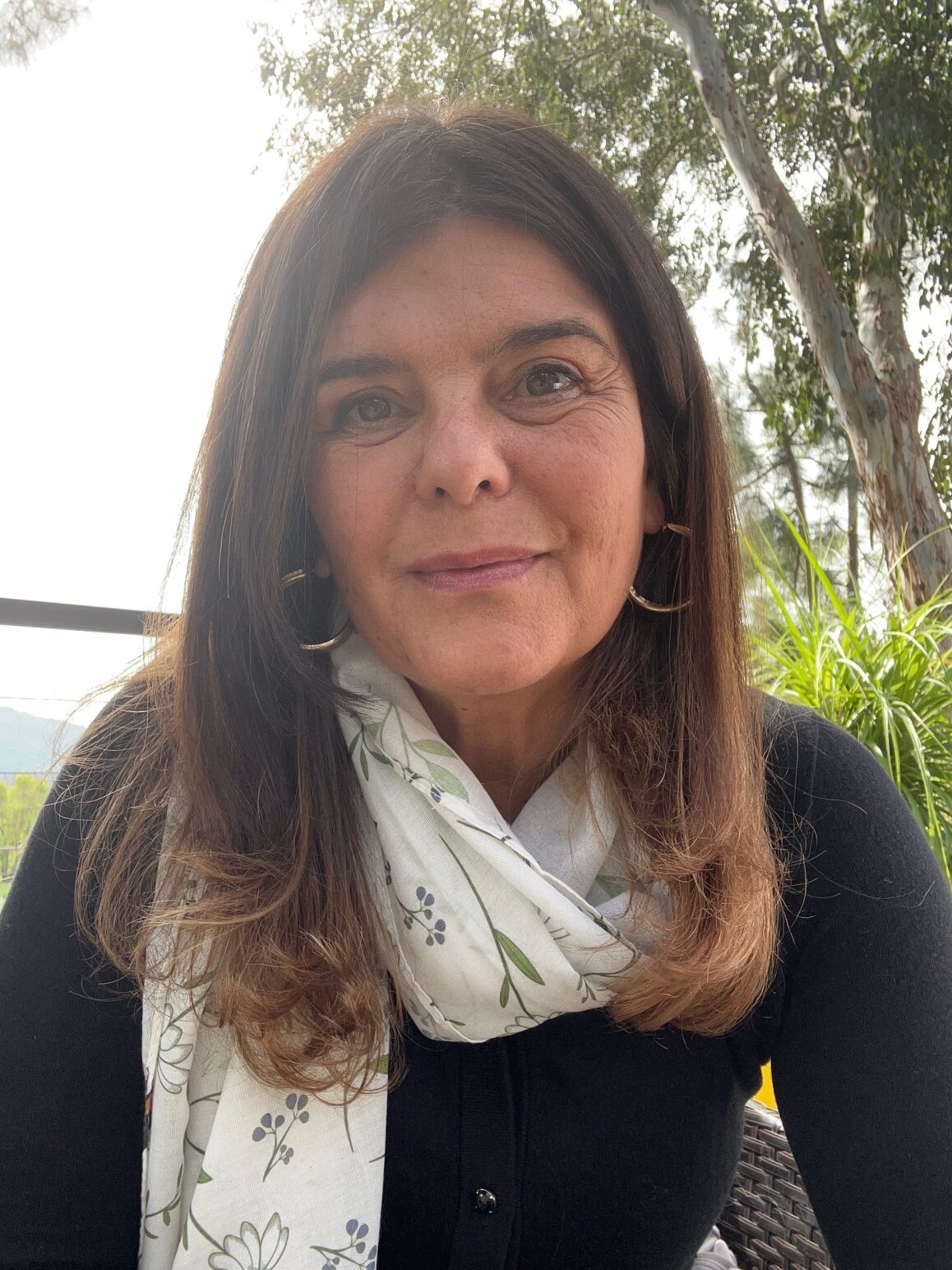
Dr. Flavia Pichiorri is a cancer researcher and scientific writer specializing in translational and clinical oncology, with a focus on hematologic malignancies such as multiple myeloma and acute leukemia. Based in Los Angeles, her work centers on developing and advancing targeted therapies that bridge laboratory research and early-phase clinical trials. Originally from Rome, Italy, Dr. Pichiorri developed a strong scientific foundation through studies in molecular biology and biochemistry at the University of Rome “Tor Vergata,” where she earned her Master’s degree with highest honors. She later completed her PhD in Experimental Medicine, focusing on tumor biology, molecular pathways, and cancer pathogenesis. Her research career has been defined by contributions to understanding both genetic and epigenetic mechanisms in cancer progression. She gained recognition for her work in multiple myeloma, including a highly cited publication demonstrating the role of epigenetic regulation in plasma cell degeneration. As an independent investigator and translational scientist, Dr. Pichiorri has led multiple research programs integrating preclinical models, biomarker discovery, and clinical development. At City of Hope, she has led federally funded programs supported by NIH R01 grants and other research initiatives, contributing to the development of antibody–drug conjugates, T-cell engagers, and novel immunotherapy platforms. Her scientific approach emphasizes translating laboratory discoveries into clinically meaningful outcomes. She focuses on designing therapies that directly impact patient care, ensuring that research questions originate from real-world clinical needs. Beyond research, Dr. Pichiorri is also engaged in scientific writing and thought leadership. She advocates for rigorous, reproducible science and emphasizes that long-term impact is defined by the durability and validity of findings rather than short-term recognition. She is also a strong voice for women in science, highlighting the structural challenges faced by female researchers and advocating for greater independence, equity, and recognition within academic medicine. Outside of her professional work, she enjoys hiking, horseback riding, gardening, and reading scientific literature, maintaining a strong connection to both nature and intellectual curiosity.